
How to choose brick stain colours
Colour MatchingBrickworkSustainability
The right brick stain colour disappears into a building. The wrong one is the first thing everyone notices. This checklist helps architects, builders and developers choose brick stain colours with confidence, and get them approved first time.
Step 1 : Decide what the colour has to do


Step 2 : Check the six things that change how colour reads
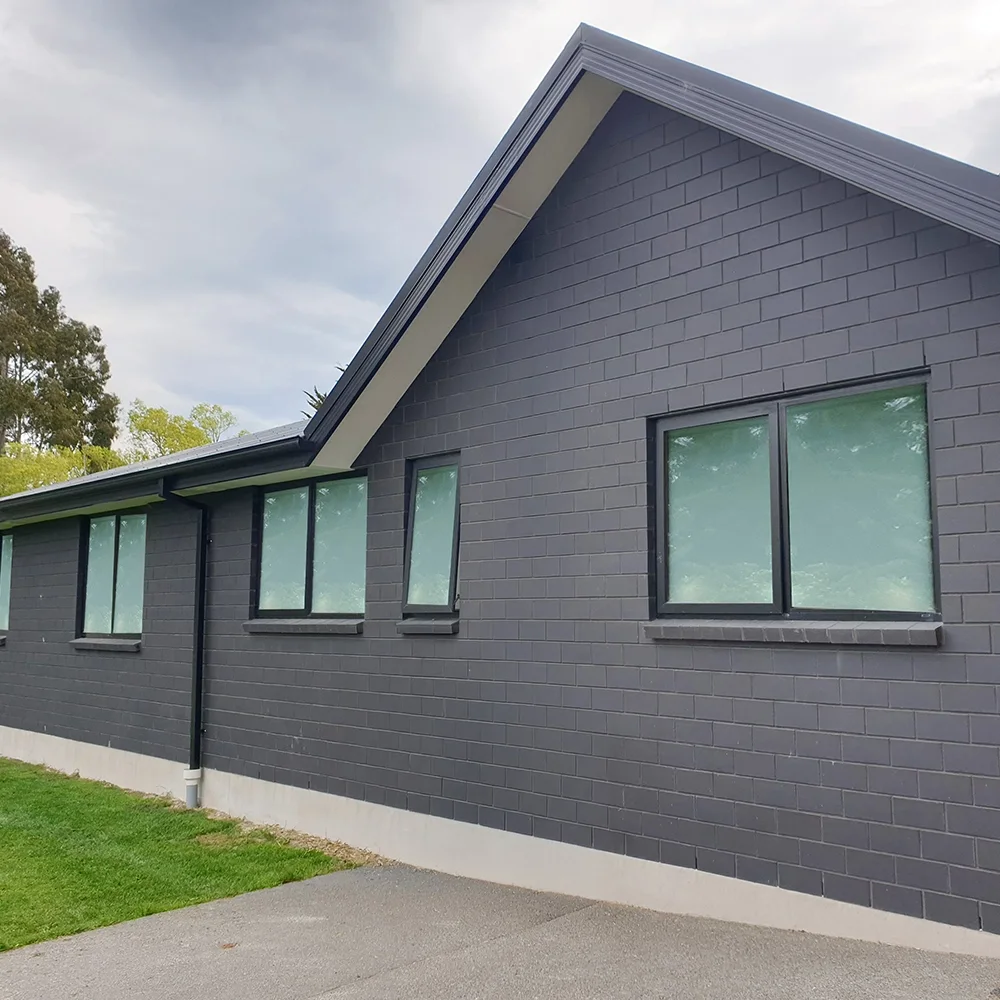
- The brick Stain colours the brick rather than covering it, so the base brick matters. Note its size, shape and texture before choosing a colour; they all affect the result
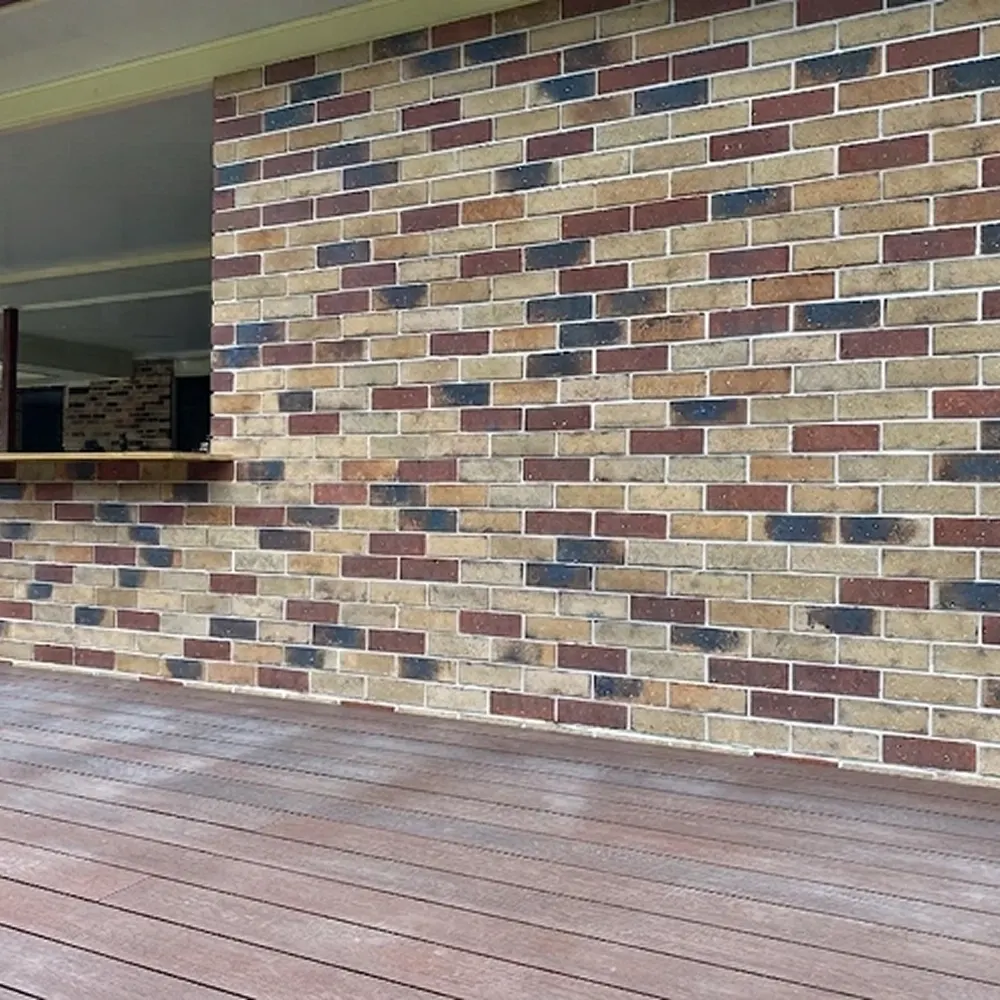
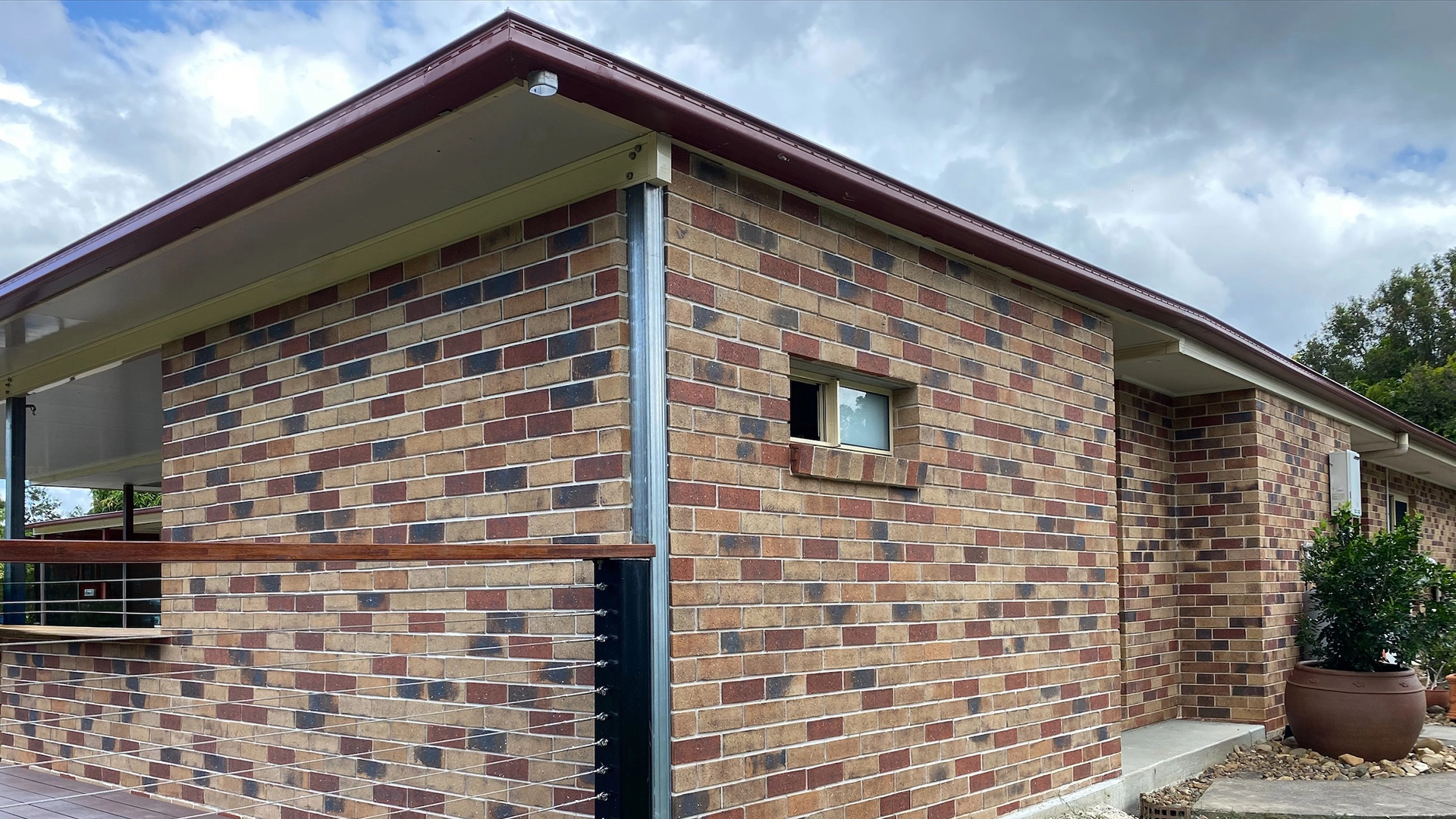
- Natural variation A blend of tones usually looks more authentic than one flat colour.
- Mortar Decide whether joints stay as they are or are tinted too.
- Orientation Sunny and shaded elevations can make one colour look like two.
- Neighbouring materials Consider precast, cladding, render and metal, especially for a unified monolithic look.
- Finish Most stains keep brick's natural matt look; others can create something more expressive.
Step 3 : Sample it properly
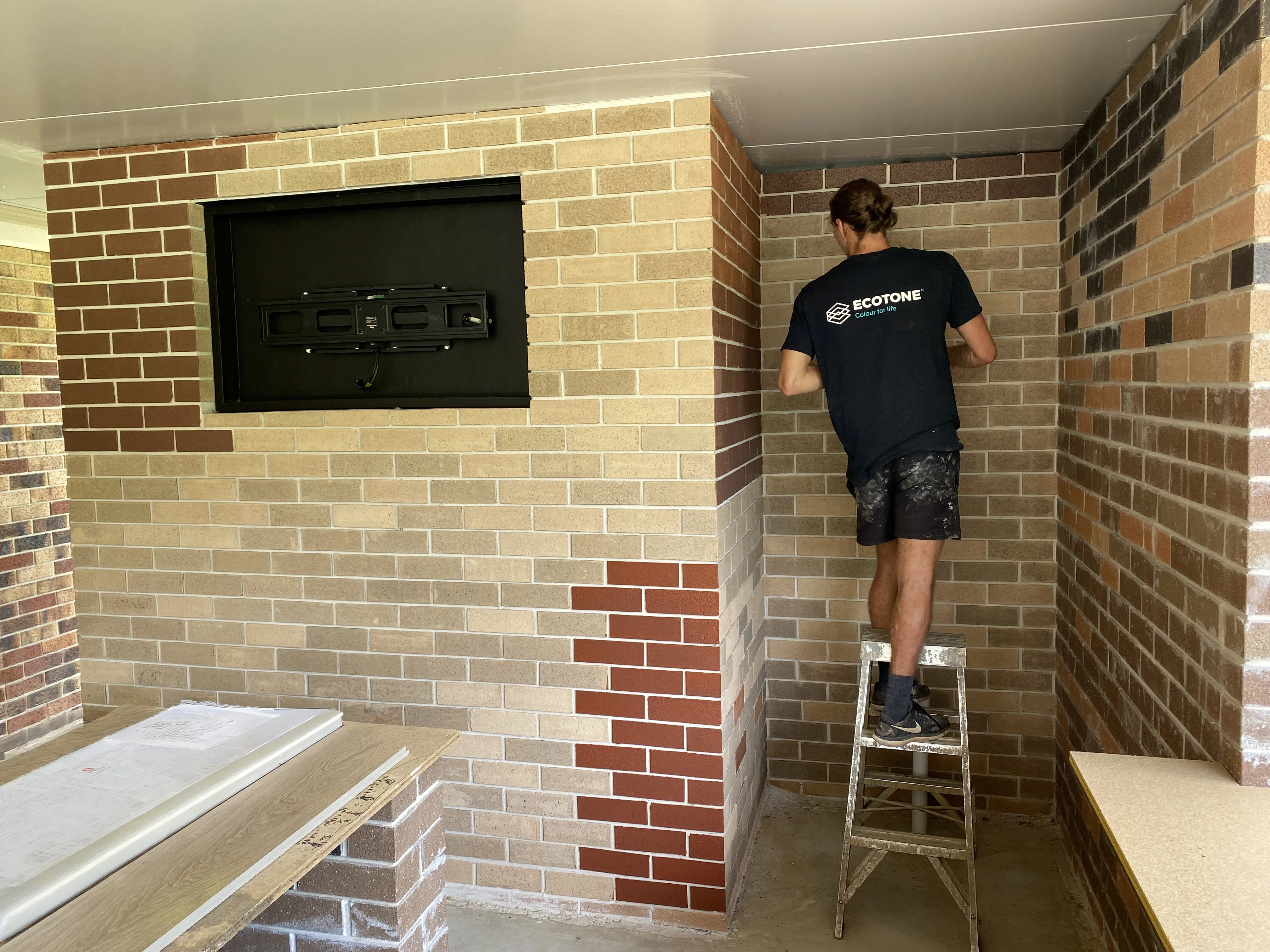
- Where required, complete a sample section on the brickwork, never a generic board
- View samples outdoors, in daylight, from the distance people will see the facade
- Check every orientation that matters
- Include the mortar in the sample
- Record the approved sample as the reference for the finished work
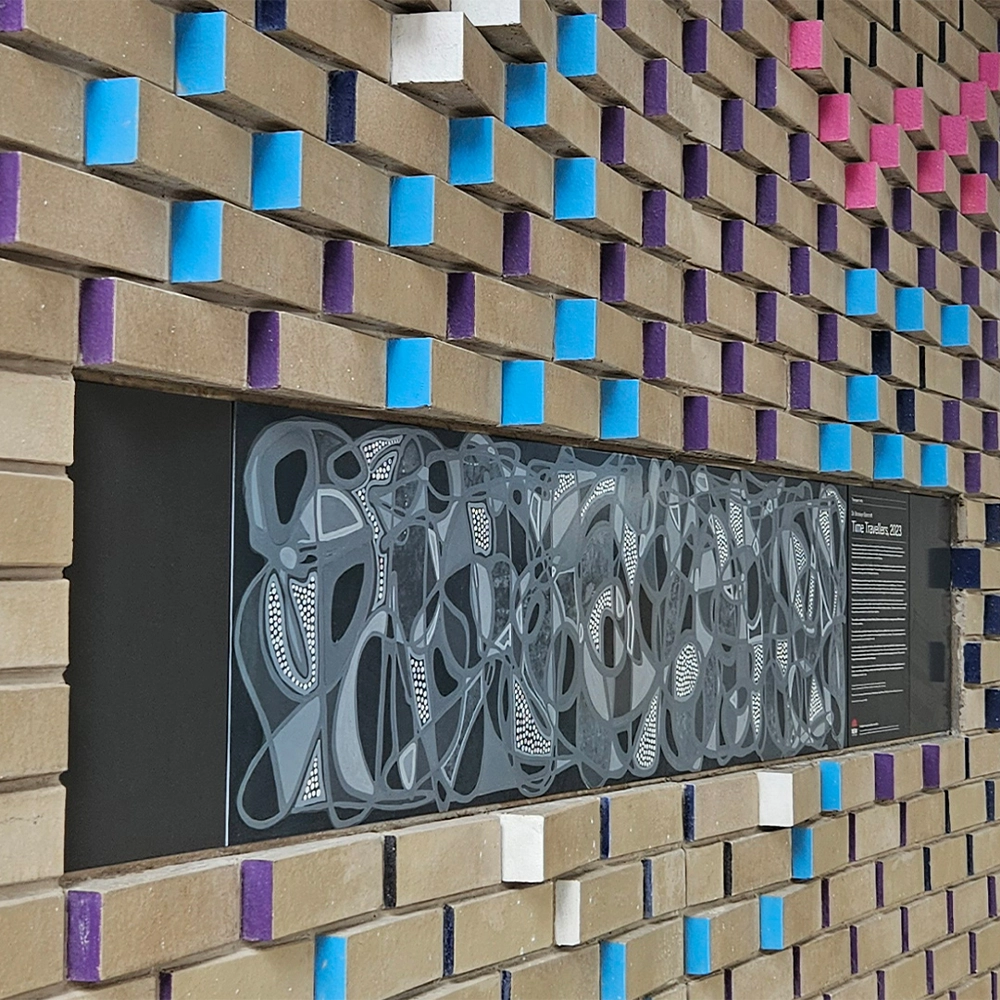
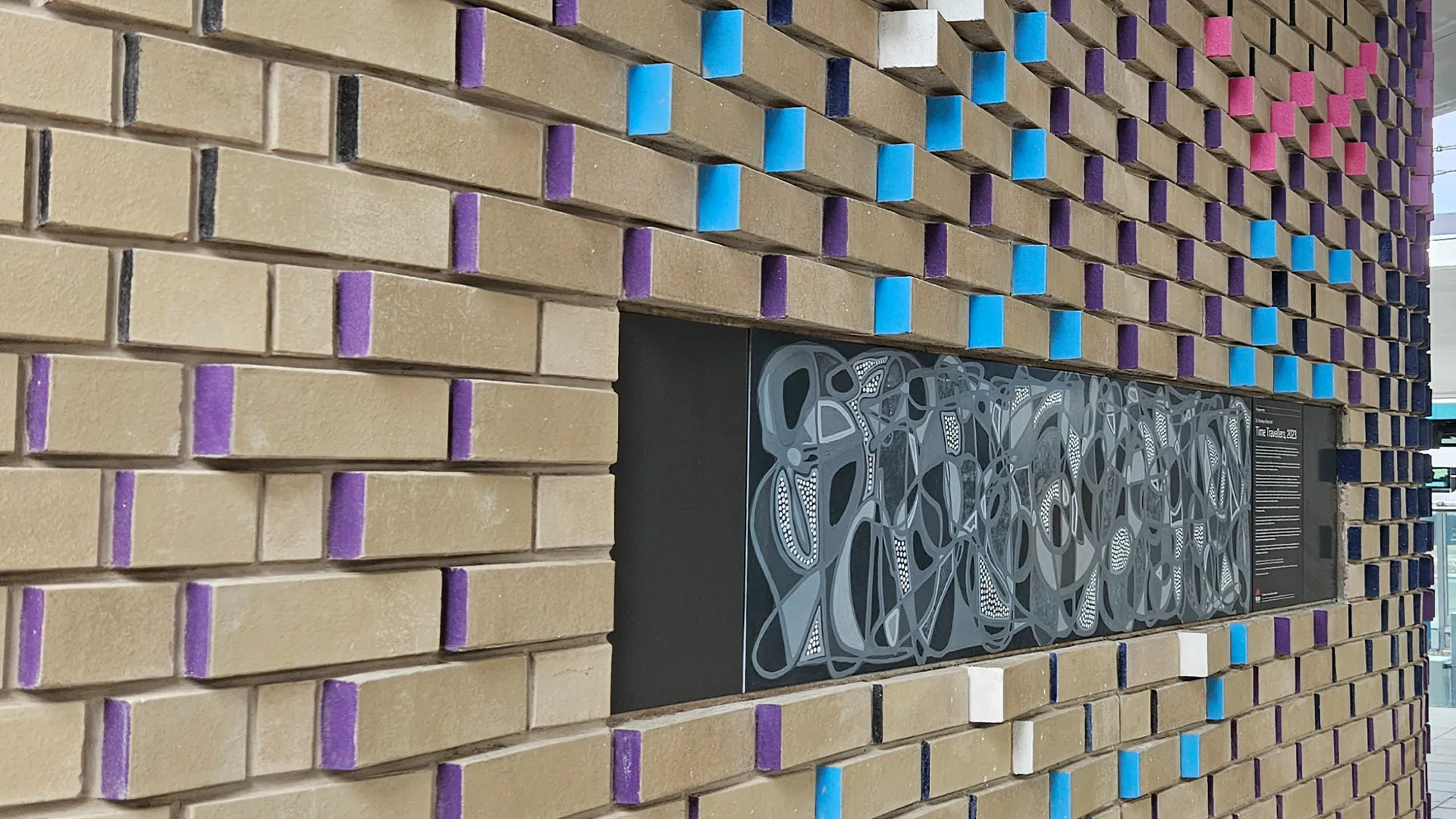
ECOTONE's colour chart, available from our resources page, is a good starting point, but it isn't the limit. Custom colours can be formulated to meet your design intent, as they were at Central Station. Either way, a sample section is the most reliable way to confirm the final colour.
Step 4 : Make sure it lasts outdoors
An exterior brick stain has to handle sun, rain and pollution. ECOTONE’s water-based Long-Life Colour Coatings bond with the brick and are designed for long colour retention. Add functional coatings such as graffiti resistance or self-cleaning, and the chosen colour stays the chosen colour.
Step 5 : Lock it into the specification
- Name the coating system and the approved colour reference
- Specify application by ECOTONE or its trained applicator network
- Specify any protective coating at the same time
FAQs
- As many as the design needs. Blends of several tones are common for a natural brick look.
Get colour right first time
Explore brick stain in Australia, read our complete guide to brick staining , or start a project to talk colour with our team.
Not just a pretty surface. Surfaces. Reimagined. ECOTONE. Colour for Life.